What the New York News File Holds
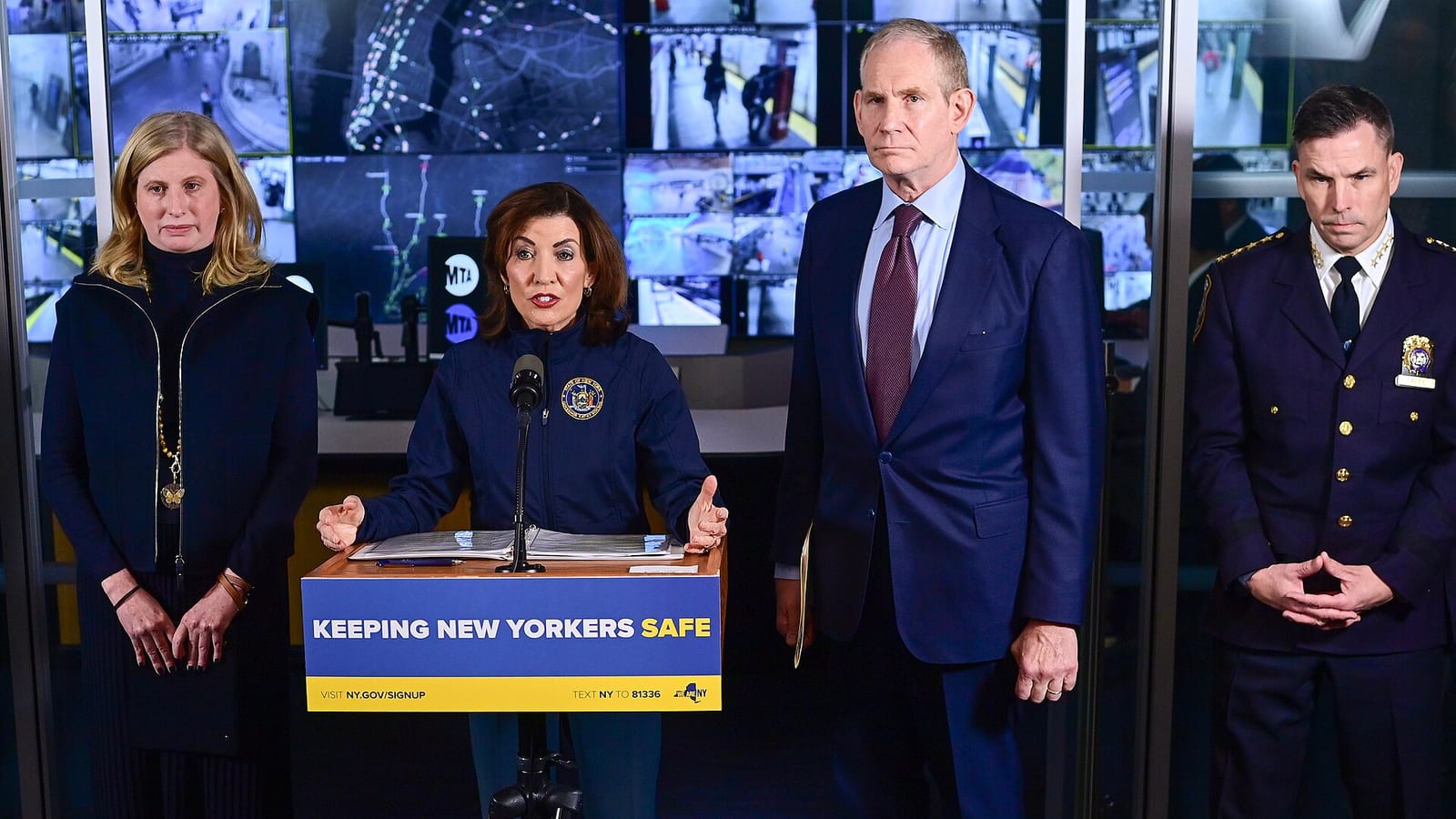
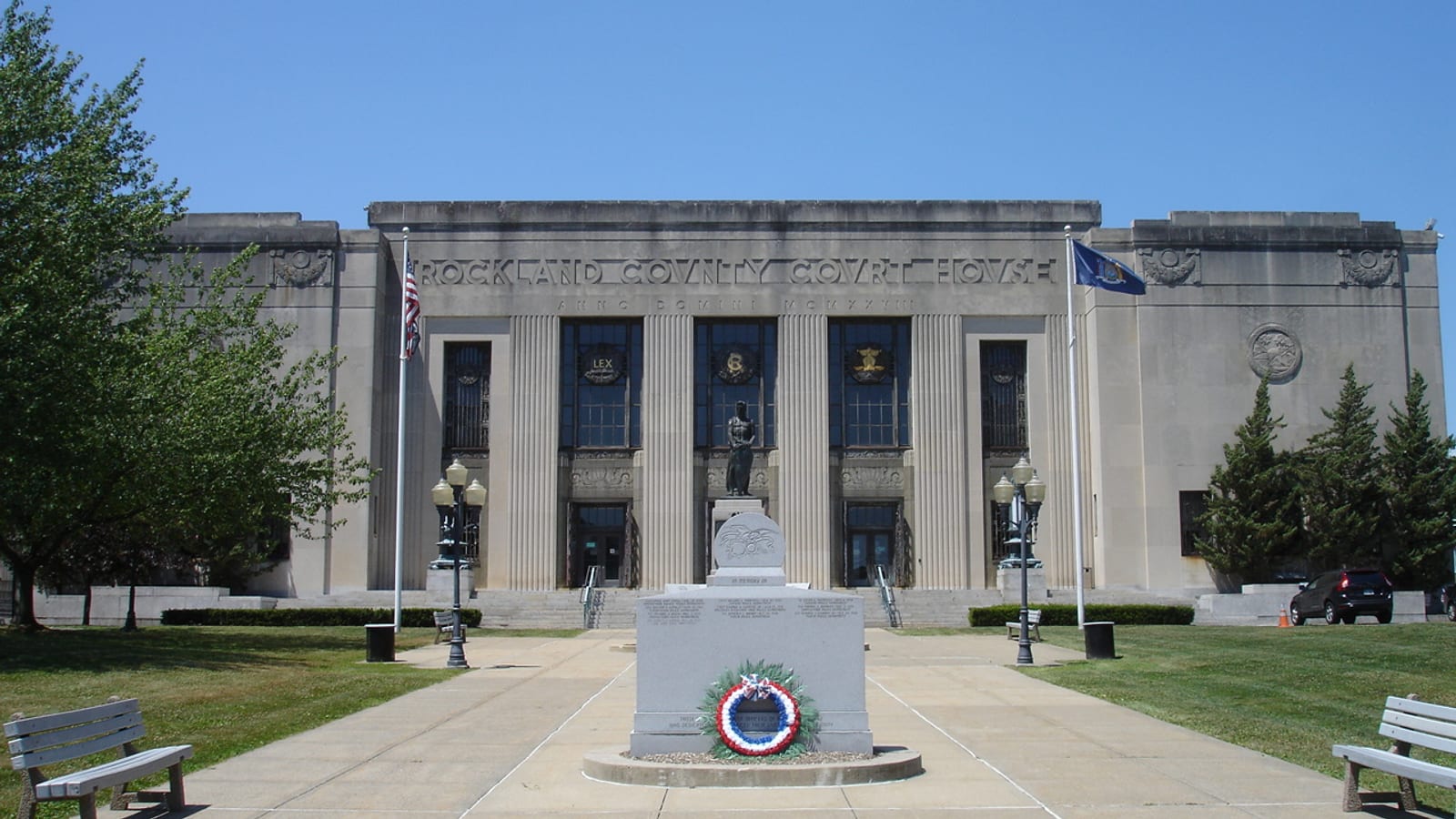
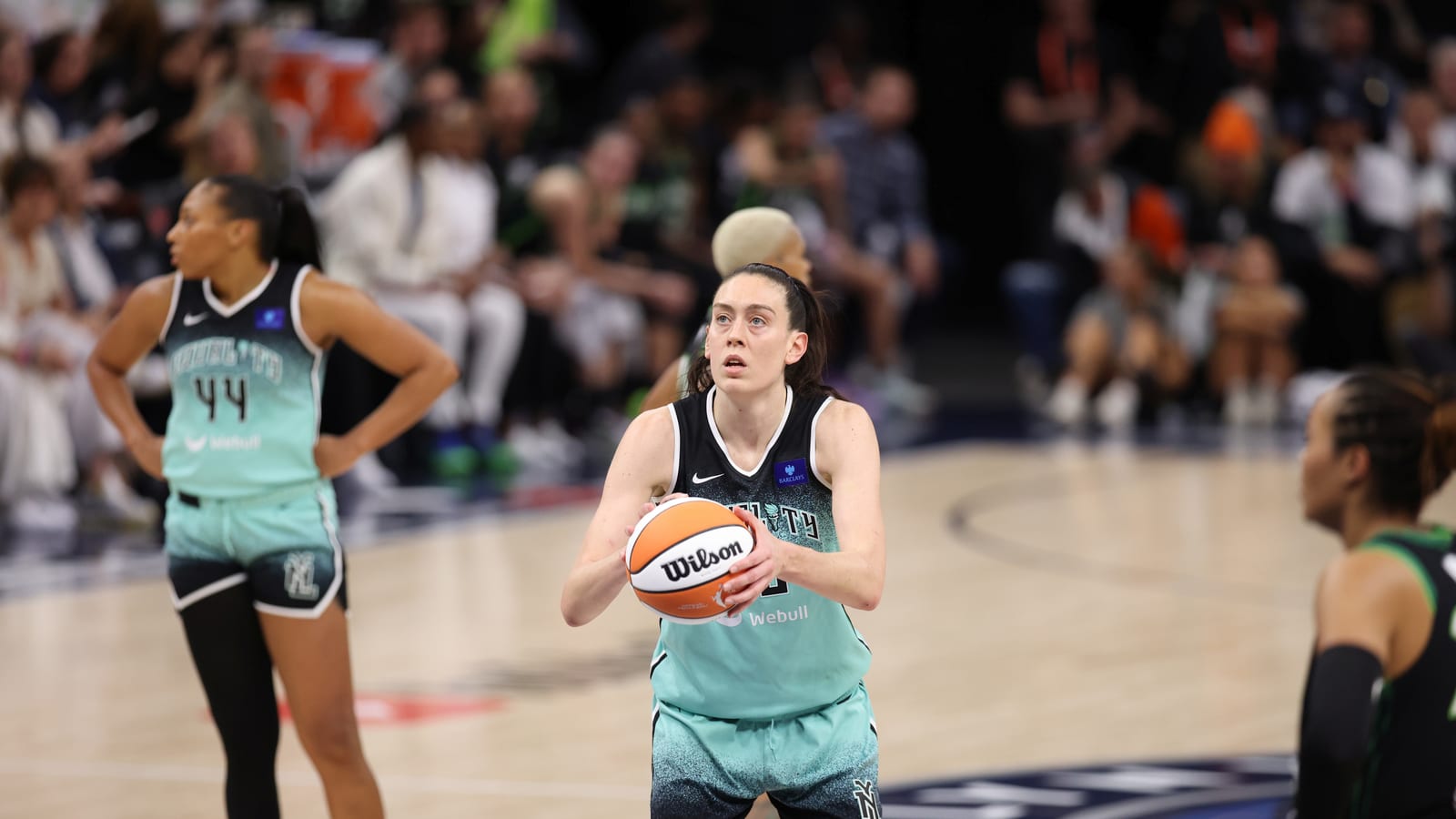
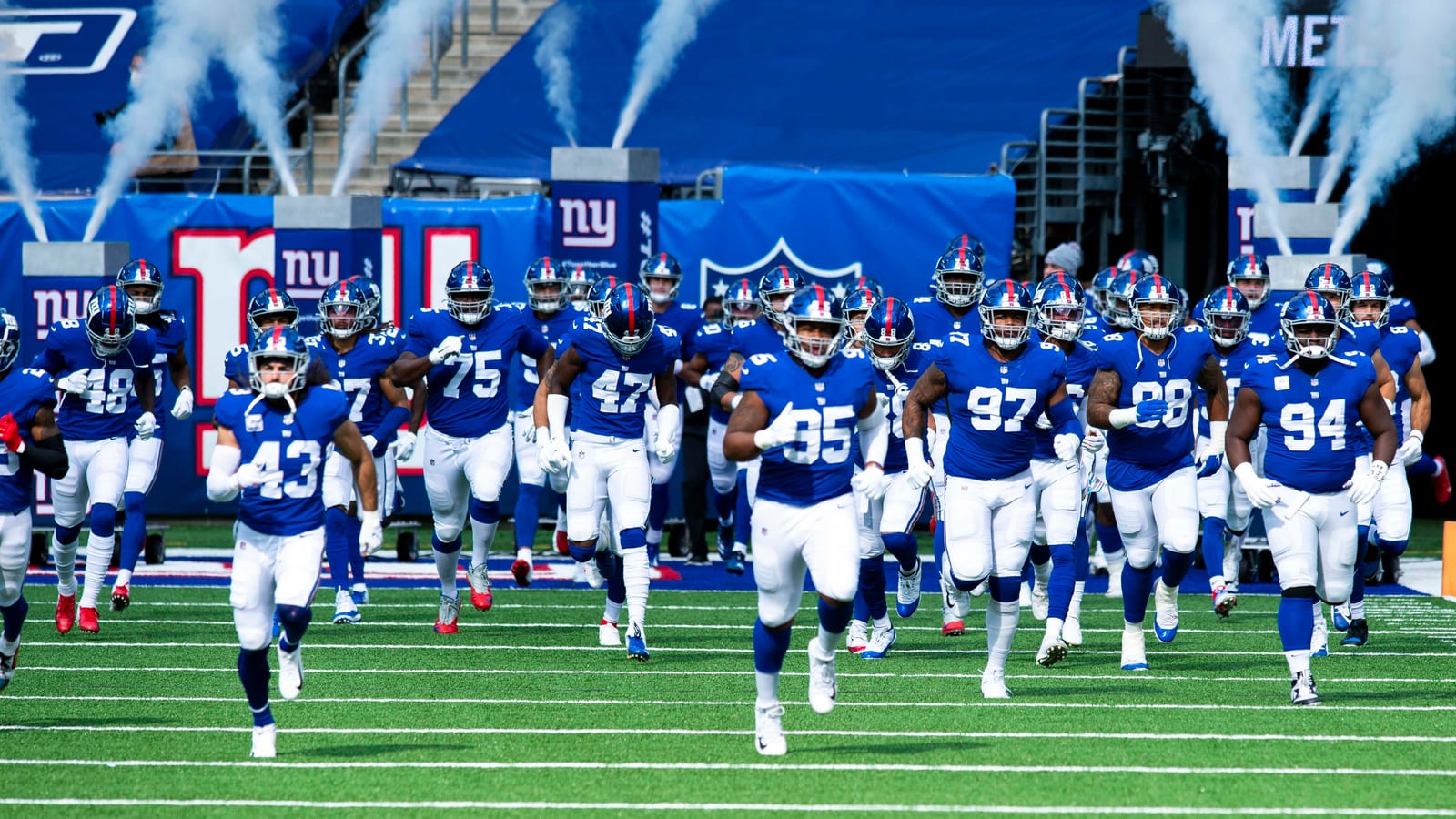
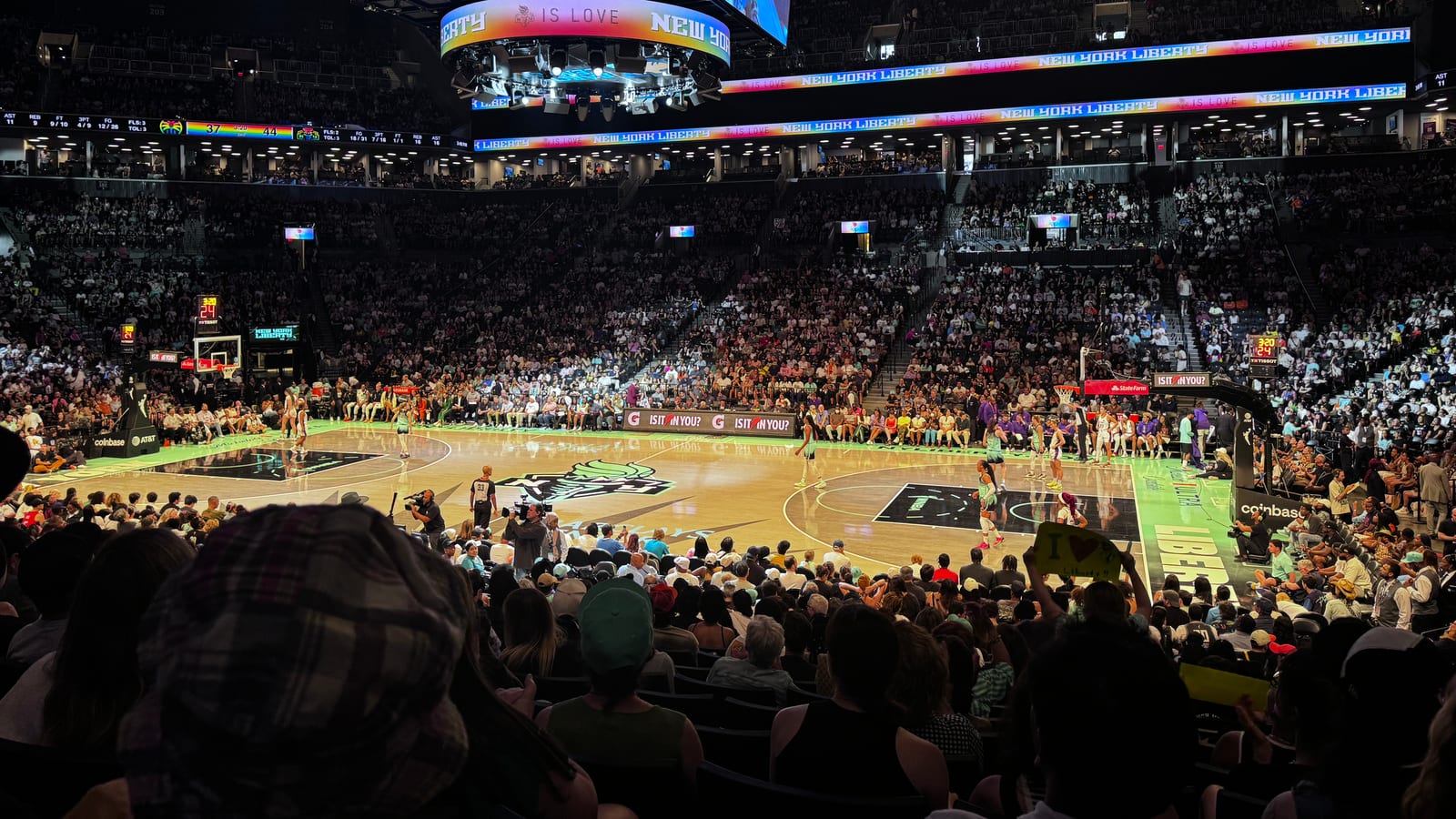
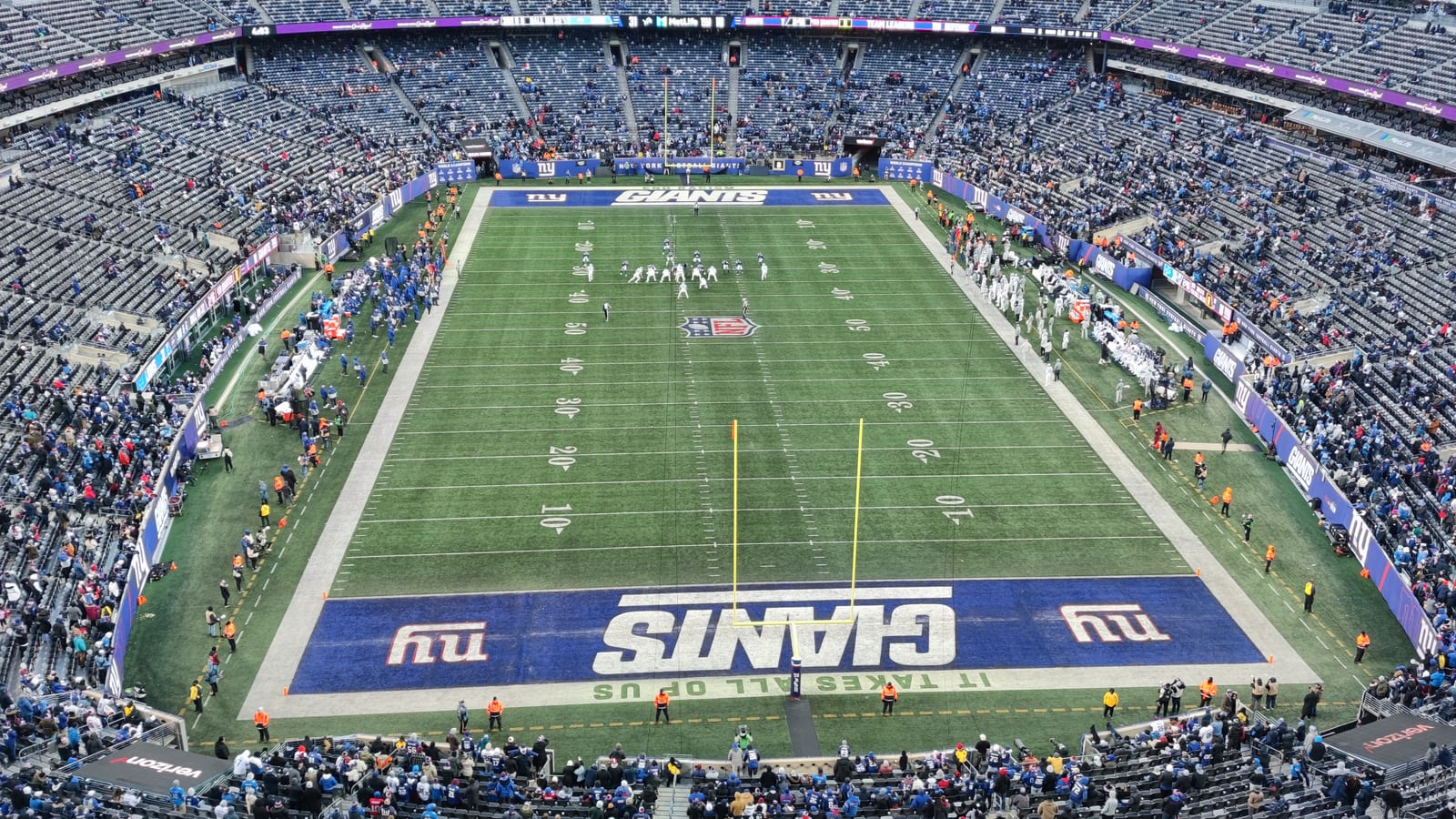
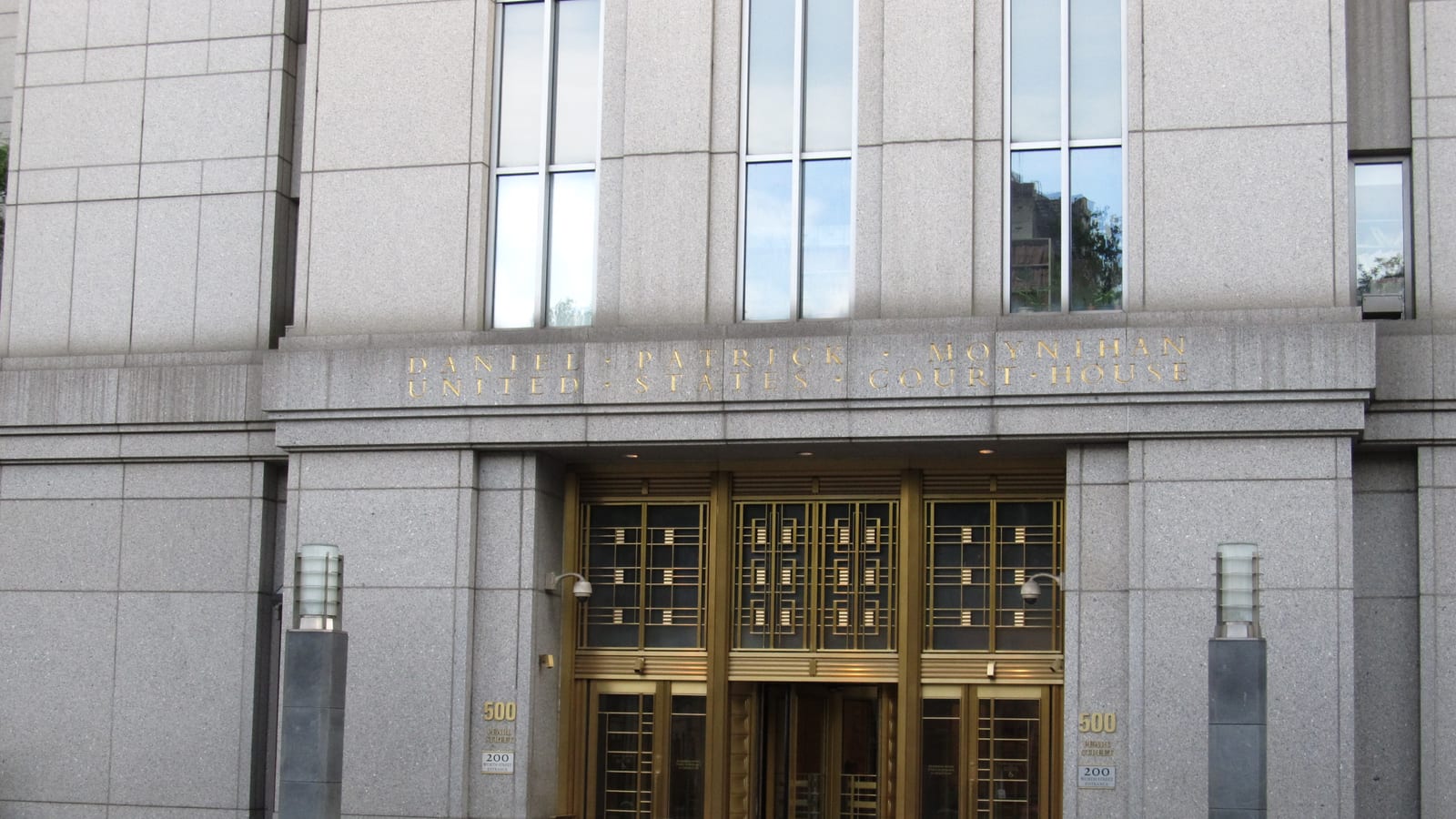
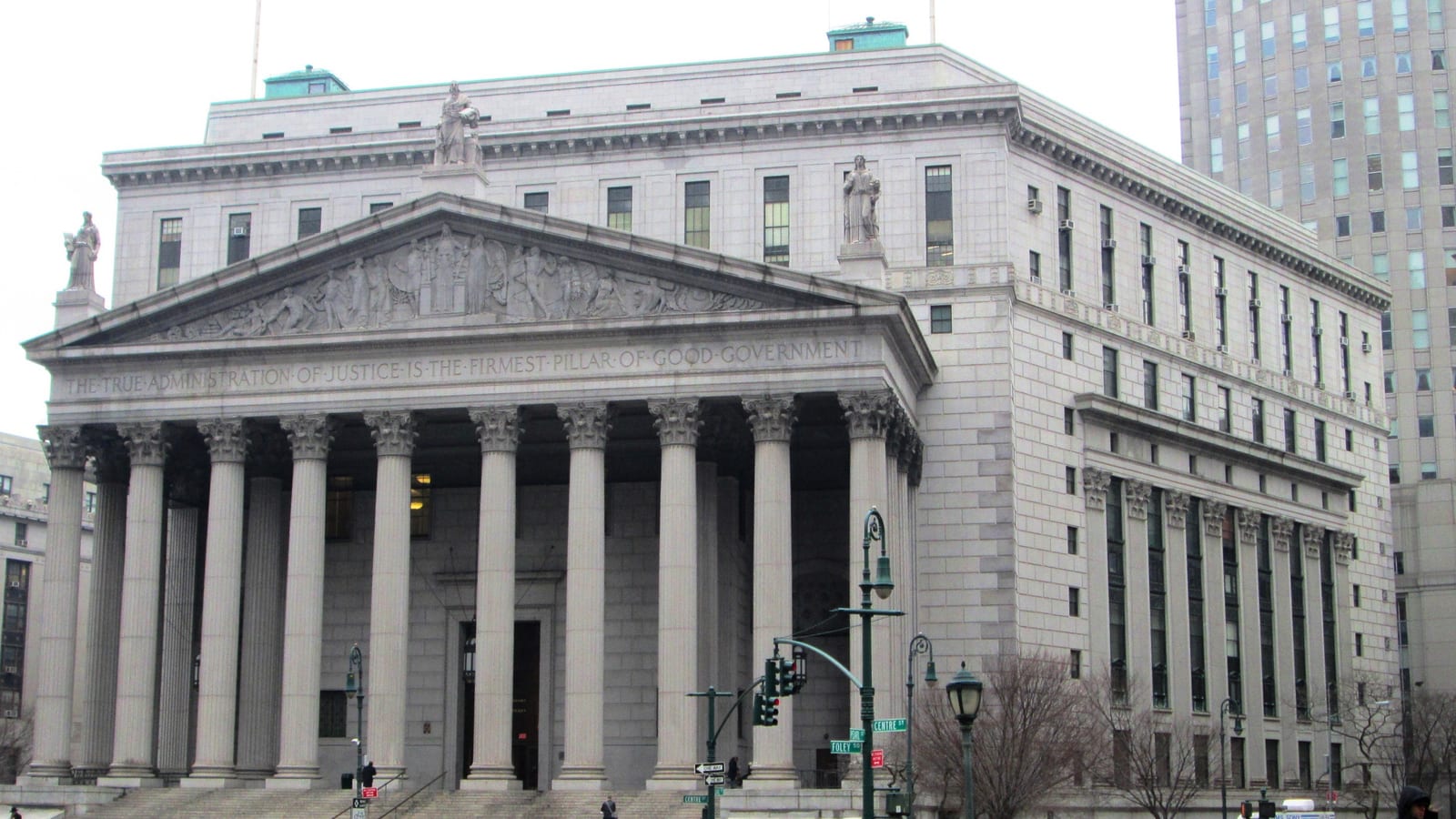
The file runs newest first, and each story is on it because of what put it there rather than because of its subject. The exchange cases in Manhattan federal court are one beat: New York's motion to send its own case against KalshiEX back to state court has been fully briefed since August 28, 2026, and the docket record read on October 6, 2026 showed no ruling on it. The state's own government and economy is another, from the metropolitan employment figures to the Pre-K expansion. Since September the 2026 races and the state's clubs have filled most of the rest, from the governor's debate and the congressional contests to the Giants, the Bills and the Liberty, and not every story reads a price.
What Moves New York Prediction Market News
Three calendars, and none of them is a news cycle. The first is the federal docket, which produces a dated, numbered entry a reader can look up, and which is why the exchange litigation is the steadiest source of stories here. The second is the release schedule of the statistical agencies and the state's own offices, from the Bureau of Labor Statistics through the Comptroller and the Division of the Budget, each of which publishes on a date fixed well in advance. The third is the election calendar, which runs to early voting from October 24 to November 1, 2026 and the general election on November 3, 2026. A day that produces none of the three produces nothing on this page, and the file is short by design rather than by neglect.
Why New York Prediction Market News
A press release argues, a poll samples, and a contract does neither: it puts a number on a stated question and lets anyone move it. Because the contract is binary, that number reads as an implied probability, which is why a filing or a data release is worth reporting next to the price it moves rather than in isolation. Resolution is what keeps it honest. An election contract settles on certification by the State Board of Elections, a season contract on a league's final standings, and a fiscal contract on a published federal or state release, so the argument ends on a document rather than on an opinion. Where two exchanges list the same question an article names both and dates the figure rather than averaging them. The contracts have their own catalogue at /markets, and the exchange cases are also collected at /legal.