StoryLocal news
Lawler and Conley's Second Debate Left NY-17 Priced Where It Was, as a Democratic Lean
Kalshi and Polymarket both had the Democratic Party at 60% to win NY-17 on October 15, 2026, within a point of each venue's October 12 price, which means the race's second televised debate did not change the lean the market carried into it.
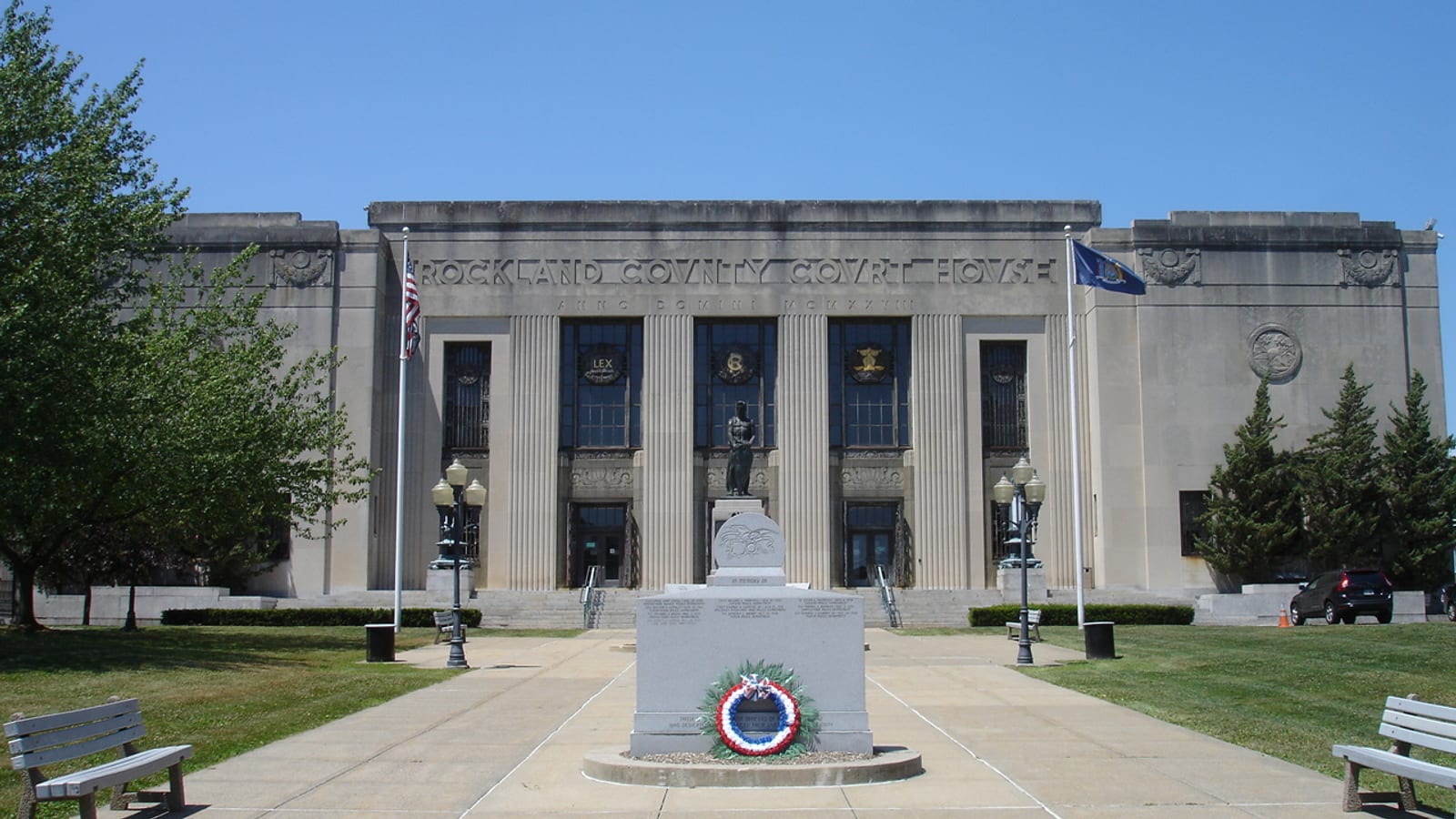
The NY-17 debate on PIX11 News on the night of October 14, 2026, ended with the race's prediction market almost exactly where it began. By 10:22 am on October 15, 2026, Kalshi and Polymarket both had the Democratic Party at 60% to win New York's 17th congressional district, within a point of each venue's October 12 price, which means both books still treat a Democratic pickup of the Republican-held seat as the likelier outcome after an hour in which Representative Mike Lawler and Democrat Cait Conley fought over immigration enforcement, President Donald Trump's record and each other's résumés.
The debate aired at 7 pm on Wednesday, October 14, 2026, moderated by PIX11 political anchor Dan Mannarino, according to the station's own coverage. It was the second televised meeting of the campaign: the first was recorded on Monday, September 28, and aired that night on News12 with reporter Tara Rosenblum moderating, per The Somers Record. Voters in the district, which Ballotpedia places just north of New York City and which includes Rockland County, decide the seat on November 3, 2026, and Fox News described it on October 15 as one of the few swing seats left in Congress.
What the NY-17 market priced before and after the debate
The NY-17 contract settles on the party that wins the seat, not on a named candidate, so the Democratic Party price is a price on Conley only because she is the party's nominee. Ballotpedia records her winning the June 23, 2026 Democratic primary over four other candidates. Lawler, whom Wikidata lists as the United States representative for the 17th district since January 3, 2023, advanced without a Republican primary, and he is seeking a third term.
The last read before the debate, at 5:06 pm on October 12, 2026, had Kalshi at 59% for the Democratic Party and Polymarket at 61%, while Polymarket's 40% was the best Republican price against 42% on Kalshi. Kalshi went from 59% on October 12 to 60% on October 15, 2026, and Polymarket from 61% to 60%, while the best Republican price on October 15 was Polymarket's 41%, against 43% on Kalshi. Each venue shifted by one point, and on the Democratic side they moved in opposite directions, which means the two books converged on the same number rather than repricing the race in either direction.
Three days before that, the Democratic side had been softer. On October 9, 2026, Polymarket's 56% was the best Democratic price, against 59% on Kalshi, and both venues had the Republican Party at 42%. So the debate landed inside a range the market had already traded through during the week, and it left the price closer to the top of that range than the bottom.
Trading around the broadcast was thin. Kalshi's Republican contract recorded $9.6K in volume over the 24 hours to 10:22 am on October 15, a window that contains the whole debate, and Kalshi's Democratic contract recorded $2.6K. On Polymarket the Republican side drew $986 and the Democratic side $22 over the same window. A morning-after price built on that little money is a light signal: it shows nobody rushed to reprice the race on the strength of the exchanges, and it also means a handful of larger orders could move the board more than the debate did.
What Lawler and Conley argued on PIX11
Immigration enforcement opened the hour and set its tone. Mannarino asked both candidates what should be done about Immigration and Customs Enforcement agents who break their own guidelines, citing the October 8 shooting of a man by federal officers during an operation in the Bronx while the man's 5-year-old child was in the car, according to Fox News. Lawler answered by pointing to the man's criminal record and blaming state sanctuary policies and Governor Kathy Hochul's recent bail changes, and he accused Conley of supporting those policies. When the moderator pressed him to answer the question about discipline, Lawler said, "I understand the question," and argued that the focus belonged on community safety.
The exchange turned to Sheridan Gorman, the 18-year-old daughter of Tom and Jessica Gorman of Yorktown, who was killed in Chicago in March; her parents had questioned both candidates at the first debate. Lawler repeatedly called the killing "preventable." Conley called it "an atrocious crime committed in Chicago" and said, "that man should have been deported," adding that she supports federal immigration enforcement aimed at violent criminals. When Lawler kept pressing, the moderator told him there was no cross-examination round, and Conley told Lawler that if he wanted to be the moderator, he should have volunteered.
The same Bronx shooting had opened the only debate between Hochul and Republican Bruce Blakeman on Tuesday, October 13, Fox News reported, so the governor's race and the district race spent consecutive nights on one question. The New York governor market page carries that race's board.
On Trump, Conley said Lawler votes with the president "100% of the time," but Lawler said she had "literally just lied," described himself as rated the third most independent member of his conference, and cited his positions on lifting the cap on the state and local tax deduction, extending temporary protected status for Haitians and extending the enhanced Affordable Care Act premium tax credits.
Conley tied Lawler to data center tax breaks in the Republican tax and spending law. Lawler said the provision she cited was full expensing of plant, property and equipment for every business in America, and told her, "I know you just moved here from Virginia."
The most personal exchange came on a question about a federal standard for consent in sexual assault cases. Conley raised Lawler's ties to Representative Max Miller of Ohio, who has been accused of domestic violence by his wife and denies it. Lawler called that matter "tragic," said it belonged in family court, and then accused Conley of taking money from former Governor Eliot Spitzer. Conley answered, "I do not need you to mansplain to me, Mike." Both candidates shook hands at the end, and Lawler thanked Conley for her military service.
Why the debate left the price alone
Much of the night repeated the first debate. The Somers Record's account of the September 28 News12 debate has the same ground: immigration, the state law limiting local cooperation with ICE, the Gorman family's question, data centers and the cost of living. A second hour on the same arguments gave the venues little they had not already seen, and the one-point moves are consistent with that.
The polling has not moved the board either. Emerson College Polling and PIX11 News, in a survey released October 1, 2026 and fielded September 27 to 29, had Conley at 48% and Lawler at 46% with 7% undecided, inside a margin of error of 4.9 points. The market's 60% on both venues is firmer than that topline, which means the venues are reading something beneath it. The October 5 analysis of the NY-17 polls traced that gap to the shifts inside Emerson's numbers: Democratic crossover support for Lawler fell from 20% in 2024 to 12%, and his favorability fell from 52% to 45%.
The case against reading the flat price as a verdict is simple. One morning's price after a thin night shows that nobody repriced the board, not that the debate changed nothing among voters. The first independent poll fielded after October 14 is the real test. If one shows Lawler ahead outside its margin of error before early voting opens, the 60% Democratic price on both venues would be out of line with the field, and the read in this piece would be wrong.
What comes next in NY-17
Early voting in New York runs from Saturday, October 24, through Sunday, November 1, 2026, and Election Day is Tuesday, November 3, 2026, with polls open from 6 am to 9 pm, according to the New York City Board of Elections calendar, and The Somers Record gives the same October 24 start for early voting in the district, where mail voting was already underway by late September.
The next dated beat is October 24, 2026, when in-person early voting opens across the district. Until then the price moves on new polls, new spending and the national House picture, and the live board sits on the NY-17 market page, with the rest of the state's races on the New York elections hub.
Questions readers are asking
When was the NY-17 debate?
Mike Lawler and Cait Conley debated for one hour on PIX11 News at 7 pm on Wednesday, October 14, 2026, moderated by Dan Mannarino; their first televised debate aired on News12 on September 28, 2026.
What are the NY-17 odds after the debate?
As of October 15, 2026, Kalshi and Polymarket both had the Democratic Party at 60% to win NY-17 and Polymarket had the Republican Party at 41%, the best price on each side and within a point of each venue's October 12 price.
What did Lawler and Conley argue about in the debate?
Immigration enforcement led the October 14, 2026 debate, including an October 8 shooting during an ICE operation in the Bronx and the killing of Sheridan Gorman; the two also clashed over Lawler's record with President Trump, data center tax provisions and a question on consent in sexual assault cases.
Who is ahead in the NY-17 polls?
The Emerson College Polling and PIX11 News survey released October 1, 2026 had Conley at 48% and Lawler at 46% with 7% undecided, inside its margin of error of 4.9 points.
When does early voting start for NY-17?
Early voting in New York runs from Saturday, October 24, through Sunday, November 1, 2026, and Election Day is Tuesday, November 3, 2026, with polls open from 6 am to 9 pm.