StoryLocal news
New York's Universal Pre-K Deadline Now Rests on Two Budgets That Are Not Written Yet
The state put free Pre-K seats in 402 school districts on September 2, 2026 behind a $563 million annual increase, but the 2028-29 universal target needs that money again in two budgets, the first of them due on or before February 1, 2027.
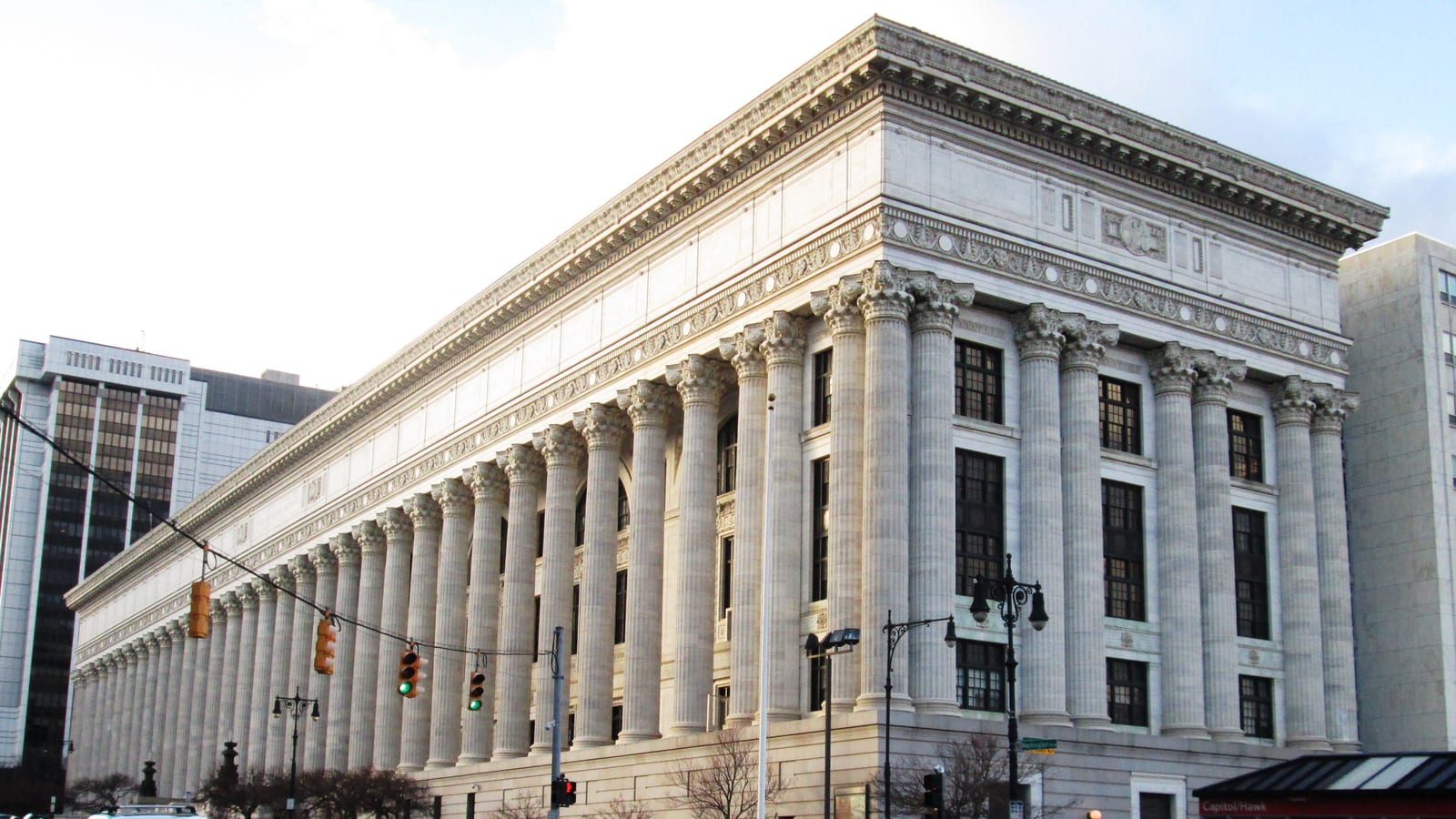
New York opened its school year by adding free Pre-K seats in 402 school districts, and the announcement of it on September 2, 2026 also set a deadline that two budgets nobody has written yet will have to carry. The Executive Chamber said the seats are online in more than half of the state's public school districts, on the way to universal Pre-K for every four-year-old by the start of the 2028-29 school year.
The money behind this year's step is a $563 million annual increase for the 2026-27 school year, which the announcement places inside a broader $1.7 billion for childcare programs in the 2027 state fiscal year. Governor Kathy Hochul made the announcement in Albany and cut the ribbon at the Silas Wood Pre-K Center in South Huntington, on Long Island, where, the announcement says, the district can now offer a seat to every eligible four-year-old whose family wants one rather than running a lottery and a waiting list.
Where the 402 districts are
The regional table attached to the announcement is where the shape of the expansion shows, and it is lopsided. Long Island accounts for 84 of the 402 districts, more than any other region. Western New York follows with 58, then the Mid-Hudson with 53, the Capital Region with 45 and the Finger Lakes with 42. Below those come the Southern Tier with 35, Mohawk Valley with 29, Central New York with 28 and the North Country with 27.
New York City is the tenth row, and it is a single district. The table's own footnote explains why: New York City Public Schools reports as one district and already runs a universal Pre-K program of its own. That is the single most important thing to understand about the count. A number that treats New York City Public Schools as one line item and South Huntington as another is a count of school districts, not of children, and almost all of this year's growth in it sits outside the five boroughs.
Read as a map rather than as a total, the table says the expansion is a downstate suburban and upstate story. Long Island and the Mid-Hudson together supply 137 of the 402. Western New York, the Finger Lakes and Central New York supply another 128. The announcement describes only one district's arrangement in any detail, South Huntington's, which ran a lottery and a waiting list until this year and no longer does.
What kind of money this is
The announcement is precise about the form of the funding, and the form is the whole question. It describes a $563 million annual increase in funding for the 2026-27 school year toward universal Pre-K, sitting inside a broader $1.7 billion for childcare programs in the 2027 state fiscal year. An annual increase is not a one-time appropriation. It is a level that has to be set again in the next budget, and again in the one after that, for the seats it pays for to still be there.
The Executive Chamber also puts this year's step in a longer line: total annual funding available for universal Pre-K programs has risen by more than 70 percent since 2021, on its account. That is the argument for treating the 2028-29 target as reachable. It is also the reason the target is a commitment rather than a fact, because every one of those increases was made in a budget, and the two that remain have not been made.
The constitutional calendar the promise runs on
The first of the two budgets has a date fixed by the state constitution rather than by anybody's plan. Article VII, Section 2 requires the governor to submit to the legislature "a complete plan of expenditures proposed to be made before the close of the ensuing fiscal year and all moneys and revenues estimated to be available therefor," and it fixes when: "on or before the first day of February in each year following the year fixed by the constitution for the election of governor and lieutenant governor, and on or before the second Tuesday following the first day of the annual meeting of the legislature, in all other years."
Article IV, Section 1 supplies the other half. The governor holds office for four years, the lieutenant governor is chosen at the same time and for the same term, and the two are chosen jointly at a general election. The next such election is November 3, 2026. That makes 2027 a year following the year fixed for the election of governor and lieutenant governor, and it makes the executive budget for the state's 2028 fiscal year due on or before February 1, 2027. The budget after that, the one that has to be in place for the 2028-29 school year the target names, falls under the other clause of the same section, the second Tuesday following the first day of the legislature's annual meeting, and not under the February 1 rule.
One distinction inside Article VII, Section 2 is worth holding on to. What the constitution fixes is a date for the governor to submit a plan. What actually funds a Pre-K seat is an enacted budget, which is a later and separate step taken by the legislature. February 1, 2027 is therefore the first observable test of whether the increase holds at the size announced, and not the day the answer is final.
What 402 counts, and what it does not
The announcement's own language is careful in a way worth repeating. The table's column heading is the number of public school districts projected to add Pre-K seats, not the number of seats and not the number of four-year-olds enrolled. The counts of children are given as "thousands" of new seats online this school year and "tens of thousands" more over the coming years. No enrollment figure appears in the announcement at all.
That is not a criticism of the number so much as a limit on it. A district counts once whether it adds twelve seats or four hundred, so 402 measures reach rather than scale, and the scale is what the 2028-29 target is actually about. It is also the Executive Chamber's own account of its own program, which is the appropriate source for what the state has committed to and the wrong source for how many children are sitting in the classrooms.
The case that this is steadier than it looks
There is a real argument that the deadline is less fragile than a two-budget dependency sounds. School aid increases in New York are usually rolled forward rather than reopened, so the base case for each of the next two budgets is that the line stays. The seats added this month are in classrooms rather than in a plan, and a district like South Huntington that has retired its waiting list acquires a constituency for keeping it. The construction is physical in places: this year's announcement was made at a new building, not at a funding table.
Against that, the target is the one part of this the state does not control on its own timetable. Two budgets is two negotiations, in fiscal conditions nobody has seen yet, with a gubernatorial election immediately before the first of them. Nothing in the announcement makes the increase automatic, and nothing in Article VII, Section 2 does either.
What is next, and when
Two dates follow. The executive budget for the state's 2028 fiscal year is due on or before February 1, 2027, and it is the first test of whether the annual increase holds at the size announced on September 2, 2026. The target itself arrives at the start of the 2028-29 school year, by which point the program has to reach the districts that are not among this year's 402. The November 3, 2026 election that sets the February deadline is one of the dates on the elections page.
Questions readers are asking
How many school districts added free Pre-K seats?
402, more than half of New York's public school districts, behind a $563 million annual increase for the 2026-27 school year that sits inside $1.7 billion for childcare programs in the 2027 state fiscal year.
Which regions account for most of the expansion?
Long Island, with 84 of the 402 districts, then Western New York with 58, the Mid-Hudson with 53, the Capital Region with 45 and the Finger Lakes with 42. New York City counts as a single district in that table and already runs a universal program of its own.
Does 402 districts mean 402 new Pre-K programs?
No. The column in the announcement counts public school districts projected to add Pre-K seats, so a district counts once whether it adds a dozen seats or several hundred, and New York City Public Schools counts as a single district. The announcement gives no enrollment figure.
What has to happen for the 2028-29 target to hold?
The two budgets between now and the 2028-29 school year each have to carry the $563 million increase again at full size, because the state's commitment is an annual increase rather than a one-time appropriation.
When is the first budget test?
On or before February 1, 2027. Article VII of the state constitution requires the executive budget by the first of February in the year after a gubernatorial election, and that election is November 3, 2026.
Sources 5 · as the story cites them
- Office of the Governor of New York, announcement of the Pre-K expansion, September 2, 2026, Albany — governor.ny.gov · official ·
- New York Constitution, Article VII, Section 2 (Executive budget), via New York State Senate open legislation — nysenate.gov · primary ·
- New York Constitution, Article IV, Section 1 (Executive power; election and terms of governor and lieutenant-governor), via New York State Senate open legislation — nysenate.gov · primary ·
- Wikidata Q117085630, 2026 New York gubernatorial election: point in time 2026-11-03, offices contested Governor and Lieutenant Governor of New York — wikidata.org · primary ·
- Office of the Governor of New York, Executive Chamber home page, September 2, 2026 (officeholder cross-check) — governor.ny.gov · official ·